
II. Politics
Gen Z Breaks Away From Trump In Dramatic Midterm Shift
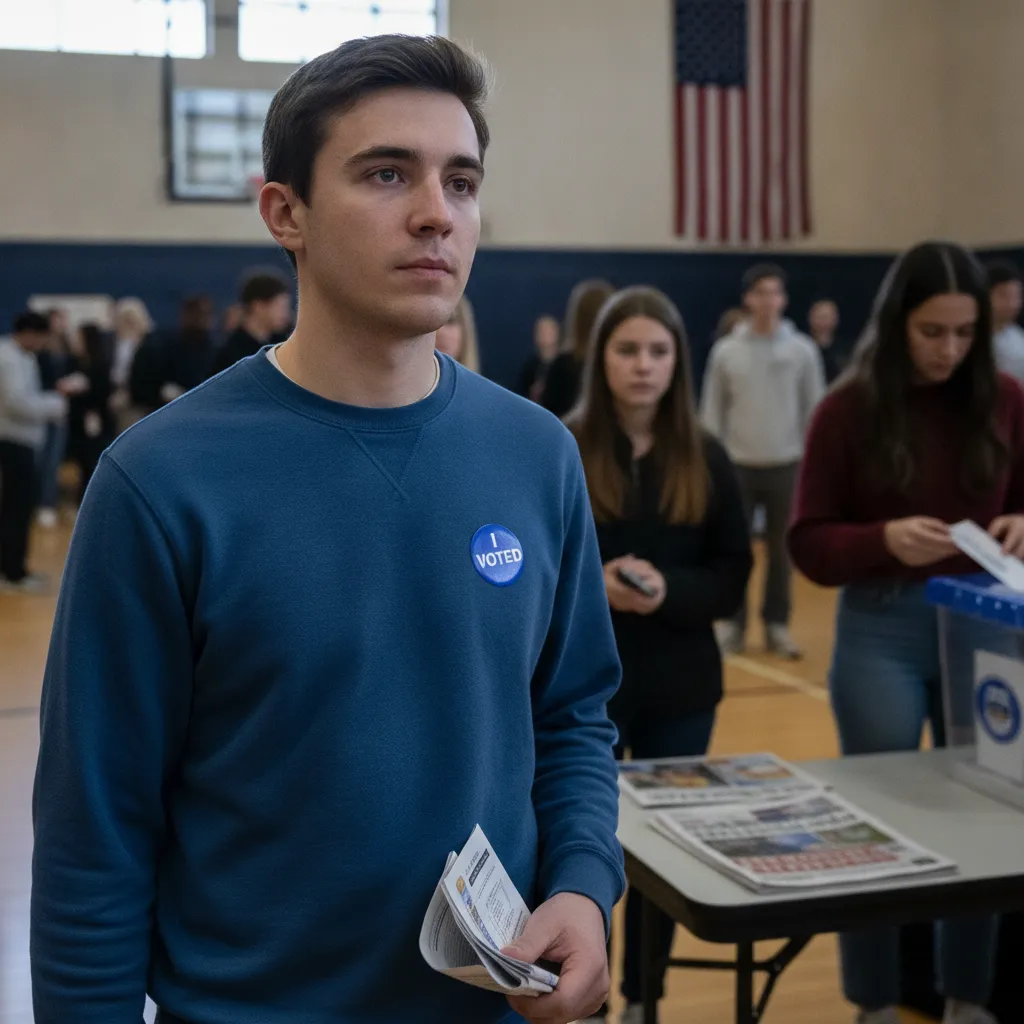
Andy Soma used to skip elections entirely, feeling disconnected from a political system that didn’t seem to speak his language. But the twenty four year old PhD student at North Carolina State University decided this year was different, casting his ballot for Democrat Roy Cooper as a way to finally take a stand. For Soma, the breaking point was a mixture of economic frustration and disappointment over President Donald Trump’s military engagement with Iran, reflecting a broader trend seen across the country where young voters have decisively pivoted away from the GOP.
Recent data shows that voters under thirty shifted toward Democrats by double digits in nearly every major Senate race compared to two years prior. According to an AP Voter Poll of over one hundred thousand midterms participants, roughly three quarters of these young voters supported their local Democratic candidates. This represents a staggering reversal from the 2024 presidential cycle, where Gen Z was largely split between Trump and Kamala Harris. While Trump previously successfully courted young men through appearances at UFC matches and popular podcasts, that cultural alliance appears to have crumbled under the weight of rising inflation and controversial foreign policy decisions.
The motivation for this shift is often deeply personal rather than purely ideological. In Ohio, twenty eight year old Corey Herzog describes the grueling reality of balancing a retail job and bartending while trying to start a small business and save for a home in an unforgiving economy. Many students expressed similar sentiments, citing a profound gap between the president’s optimistic rhetoric regarding the economy and the actual material struggles they face daily. Even within the party ranks, some college Republican groups have openly blamed the Trump administration for their losses, claiming young conservatives were simply not given what they were promised.
Despite this landslide victory for Democrats among youth, political analysts warn against assuming these voters are now locked in as lifelong partisans. John Della Volpe of the Harvard Kennedy School notes that this generation remains essentially up for grabs because their loyalty is tied closely to their anxiety about the future. With high costs of living and skepticism toward leadership remaining primary drivers, the current surge of democratic support may be less about party loyalty and more about a visceral reaction to failed promises. Whether this momentum lasts depends entirely on whether those voting today feel their lives actually improve tomorrow.
Filed under Politics